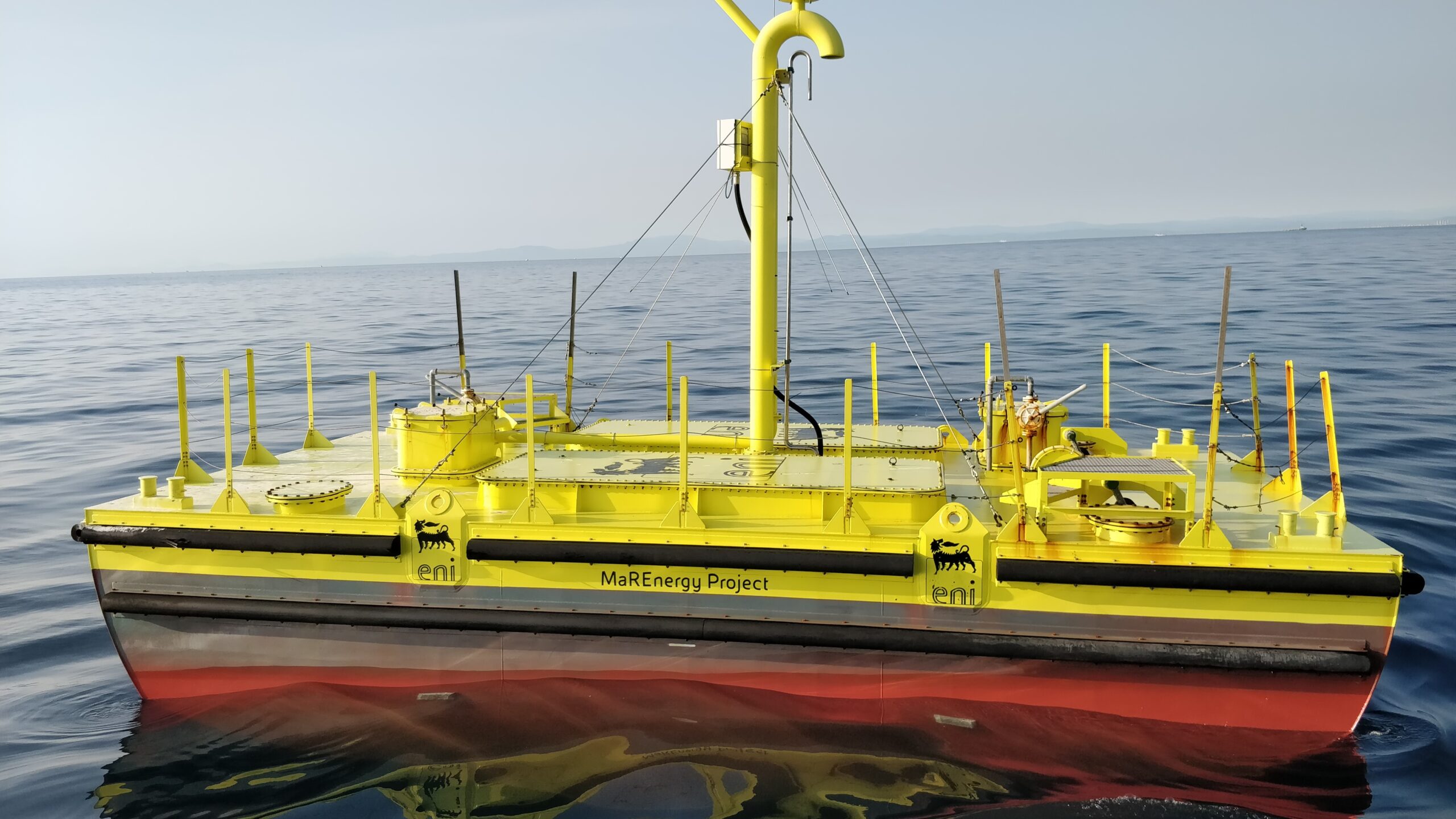
Wave for Energy’s mission—delivering ocean energy technologies for sustainable power—maps directly onto several United Nations Sustainable Development Goals (SDGs). We reference the official UN goal pages when setting internal objectives so our language stays aligned with internationally agreed targets rather than ad hoc marketing claims. Our projects are not parallel CSR initiatives; they are concrete contributions to affordable clean energy, industrial innovation, and climate action in coastal and island contexts where emissions remain difficult to abate.
SDG 7: Affordable and clean energy
Goal 7 calls for universal access to reliable, sustainable, and modern energy. Islands such as Pantelleria and coastal parks in Sardinia historically rely on diesel generation and long fuel supply chains. Grid-connected ISWEC installations and hybrid microgrids aim to displace fossil MWh with wave and solar production, stabilising costs for communities exposed to volatile fuel prices.
Wave resources complement photovoltaic output, extending renewable availability into night-time and winter months. The United Nations notes that accelerating renewables in underserved regions requires technologies suited to local resources—precisely the niche ocean energy addresses when intercontinental grids are unavailable.
SDG 9: Industry, innovation, and infrastructure
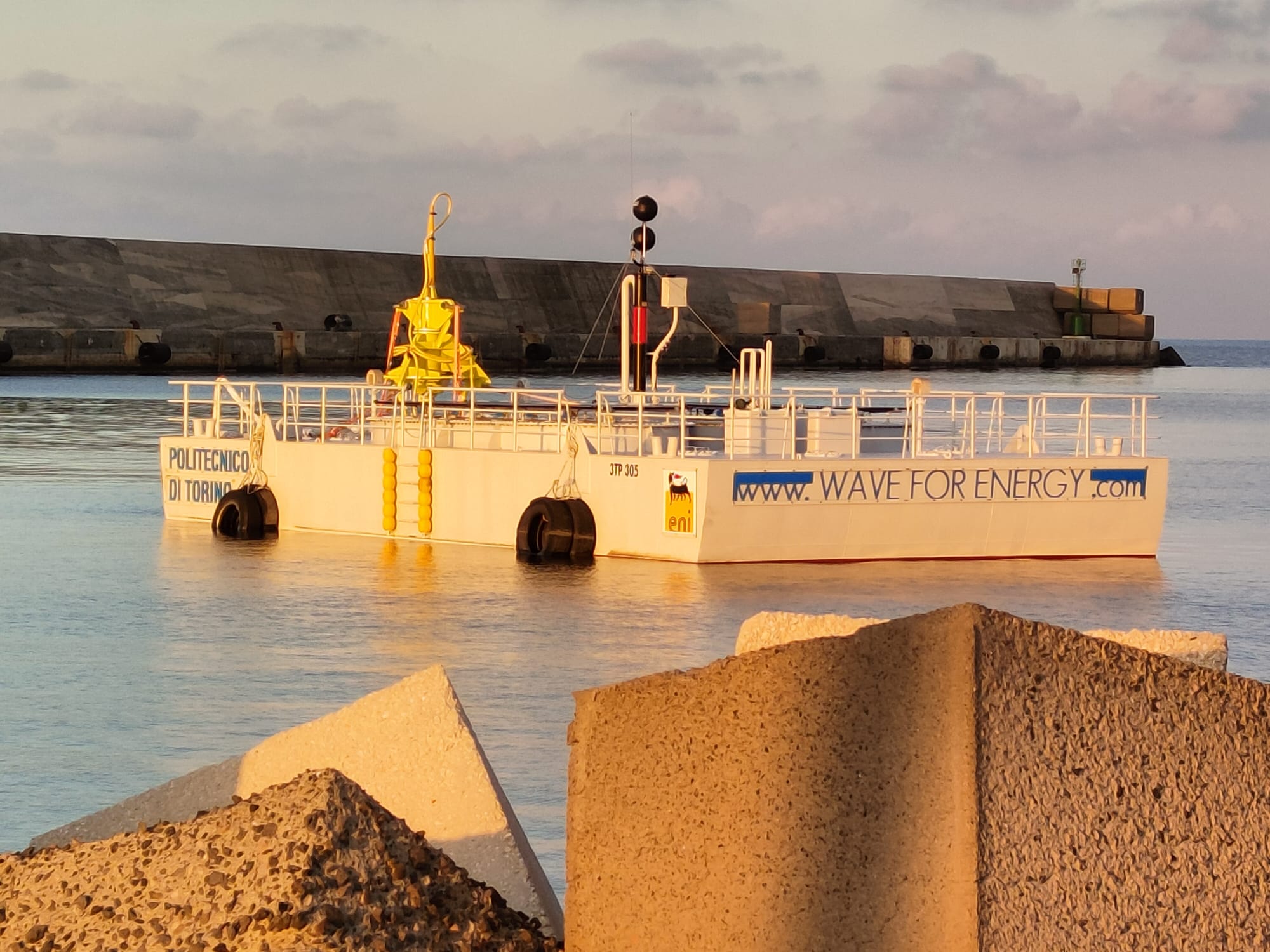
Goal 9 promotes resilient infrastructure and sustainable industrialisation. Wave for Energy’s collaboration with Politecnico di Torino, Eni, and regional parks embeds R&D in European supply chains for marine steelwork, moorings, and power electronics. Each deployment generates data on availability, maintenance, and environmental performance—feedback loops that improve subsequent designs rather than one-off demonstrations.
Innovation also spans software: genetic algorithms running on high-performance computing optimise device tuning to site-specific wave climates, linking digital infrastructure with physical assets. Such integration exemplifies the “inclusive industrialisation” SDG 9 envisions when research institutions and companies co-develop deployable hardware.
SDG 13: Climate action
Goal 13 urges rapid greenhouse-gas reductions. While global electricity decarbonisation leans heavily on wind and solar, hard-to-abate sectors—including diesel-powered island grids and some offshore operations—need additional options. Ocean energy can shave fossil hours where alternatives are limited, especially when paired with storage and demand management.
Life-cycle assessments of floating wave devices must account for steel production and vessel use during installation; nevertheless, displacing diesel generation on islands with high fuel transport emissions can yield favourable carbon balances over project lifetimes when capacity factors improve through learning.
Cross-cutting principles in our projects
Environmental stewardship accompanies SDG 14 (life below water) even when not the headline goal. Monitoring around mooring sites, minimising seabed intervention via slack lines, and engaging marine research institutes reflect respect for marine ecosystems while pursuing clean energy.
Partnerships with public parks and municipalities align with SDG 17’s emphasis on multi-stakeholder collaboration. Transparent reporting to local authorities and communities supports social licence—without which infrastructure projects stall regardless of technical merit.
How we track progress
We align internal project reviews with SDG indicators where measurable: renewable MWh delivered, diesel hours avoided where baselines exist, local jobs supported during installation, and open publication of environmental monitoring summaries. Perfect attribution is difficult on small grids, but directional progress matters for investors and regulators evaluating ocean energy’s role in national climate plans.
Gender, education, and local capacity
SDG targets on quality education and gender equality intersect with our hiring and internship programmes linked to Politecnico di Torino. Marine energy projects create specialised roles—mooring technicians, marine electricians, environmental monitors—that can employ coastal youth if training pathways are deliberate. We encourage partners to include local labour content in public tenders where regulations allow.
Reporting and accountability
We publish project milestones openly and align narrative reporting with SDG language only when metrics support claims—avoiding greenwashing that could undermine sector credibility. Third-party environmental reviews from research institutes strengthen that discipline.
Commitment going forward
Wave for Energy will continue to prioritise deployments that combine technological learning with tangible SDG contributions—grid-connected island trials, hybrid desalination-energy systems in water-stressed parks, and offshore demonstrations that could electrify industrial assets. Agenda 2030 deadlines underscore urgency; our response is measured engineering deployed where it can replace fossil energy today, not only in models.
Stakeholders evaluating our progress should ask for energy production, downtime, and local partnership data alongside SDG alignment statements—quantitative evidence is how ocean energy earns a permanent place in sustainable development planning.
International cooperation on ocean energy—shared standards, environmental monitoring protocols, and open databases—mirrors SDG 17 and accelerates learning across the Mediterranean and Atlantic basins without duplicating every sea trial in isolation.
We welcome collaboration with public agencies that publish open energy and environmental datasets.
The United Nations emphasises that SDG 7 progress must accelerate: hundreds of millions of people still lack reliable electricity, while renewable shares in heating and transport lag behind power-sector gains. Ocean energy will not solve that gap alone, but for coastal and island communities it can add predictable MWh that complement solar and storage portfolios already on the policy agenda.
Climate action under SDG 13 also requires credible measurement: we document avoided diesel hours where baselines exist and publish summaries of environmental monitoring around mooring sites. Transparency builds the trust coastal communities need before approving additional sea space for energy infrastructure.
Similarly, SDG 9’s focus on R&D intensity and sustainable infrastructure rewards technologies that create skilled marine jobs and exportable intellectual property. Italy’s wave-energy supply chain—from Turin control labs to Sicilian ports—illustrates how innovation hubs can anchor value in regions facing demographic and industrial transition pressures.
Sources
United Nations — Goal 7: Ensure access to affordable, reliable, sustainable and modern energy for all (accessed 2026). Type: official UN SDG framework.
United Nations — Goal 9: Build resilient infrastructure, promote inclusive and sustainable industrialization and foster innovation (accessed 2026). Type: official UN SDG framework.
United Nations — Goal 13: Take urgent action to combat climate change and its impacts (accessed 2026). Type: official UN SDG framework.