Offshore wave energy offers a distributed, weather-complementary renewable resource for coastlines and islands that depend on imported fuels. This article explains why the Mediterranean resource is worth developing despite lower power densities than Atlantic coasts, and how Wave for Energy approaches reliability and grid integration. Wave for Energy’s experience developing ISWEC in the Mediterranean shows that even moderate wave climates can support meaningful generation when converters are optimised for local spectra and integrated with storage or other renewables.
Resource characteristics
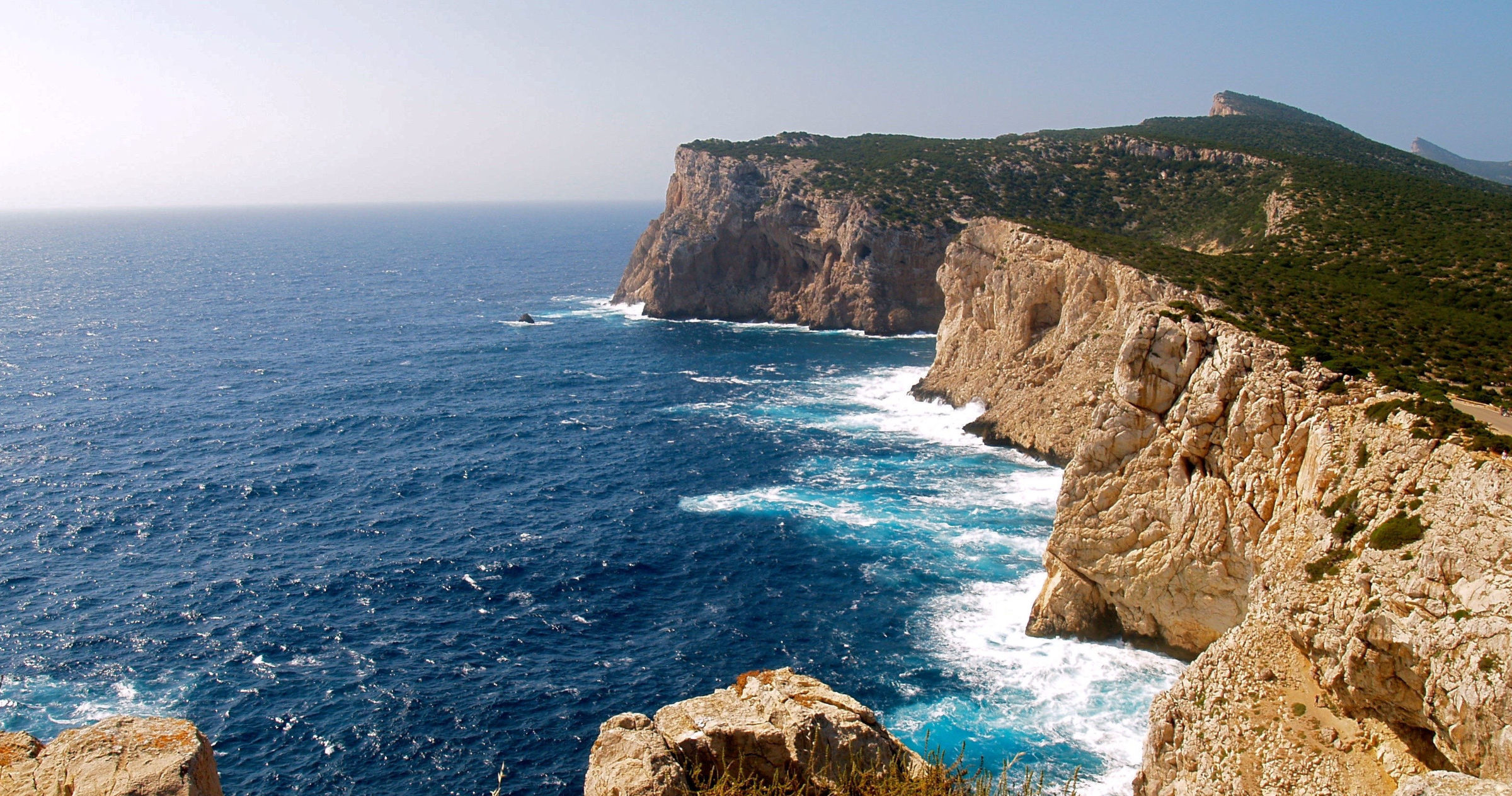
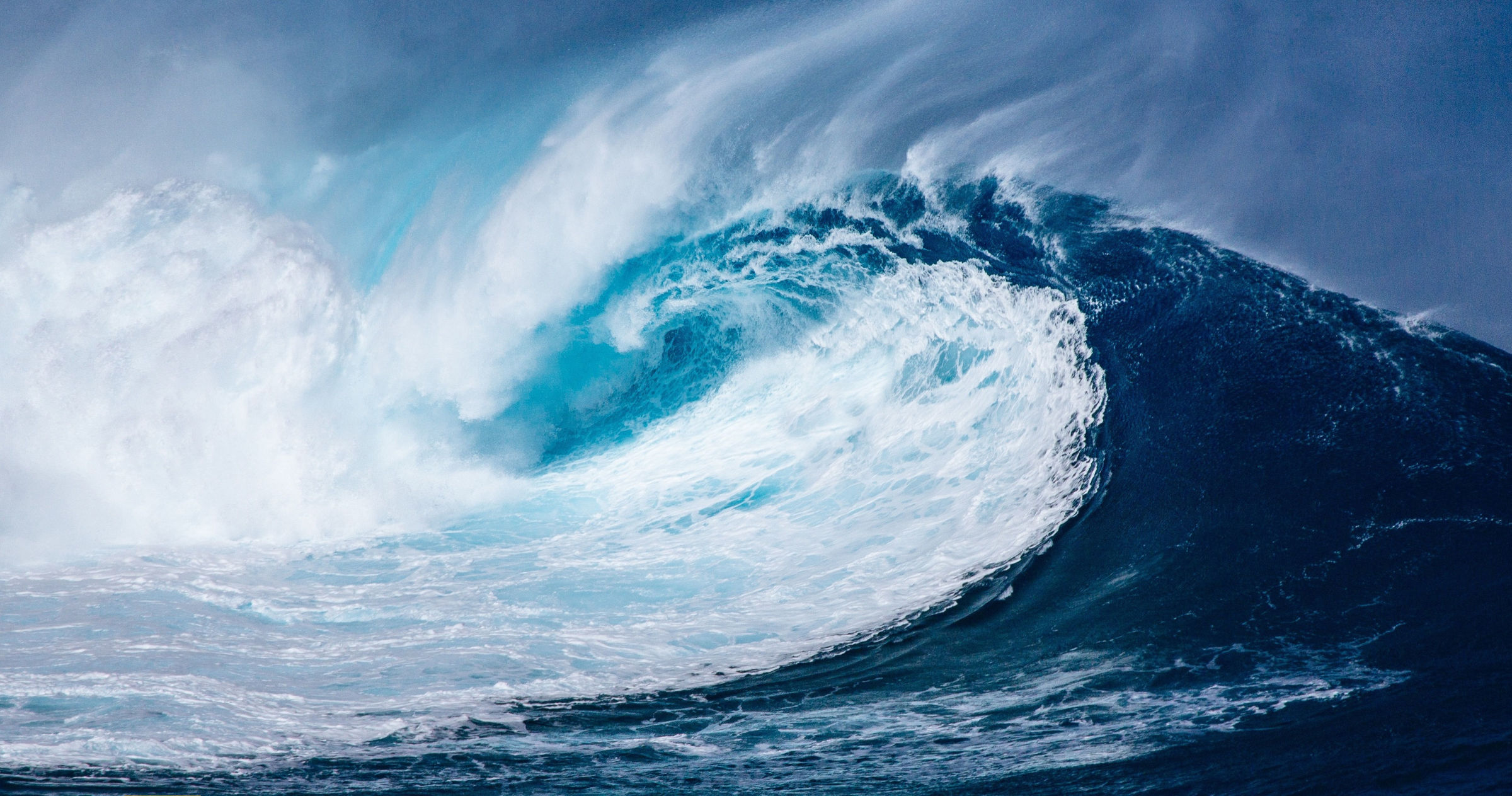
Wave power is usually quoted per metre of wave front. Atlantic coasts can exceed 70 kW/m; Mediterranean sites often range between 4 and 13 kW/m depending on exposure. Sardinia’s northwest coast near Porto Conte—where our WEPA project is located—has been assessed around 13 kW/m in project documentation, making it among Italy’s more energetic zones.
Unlike wind, wave energy arrives with higher predictability over hours to days because swell propagates from distant storms. That predictability helps operators schedule maintenance and hybridise with solar plants whose output is strongest at midday.
Technology design choices
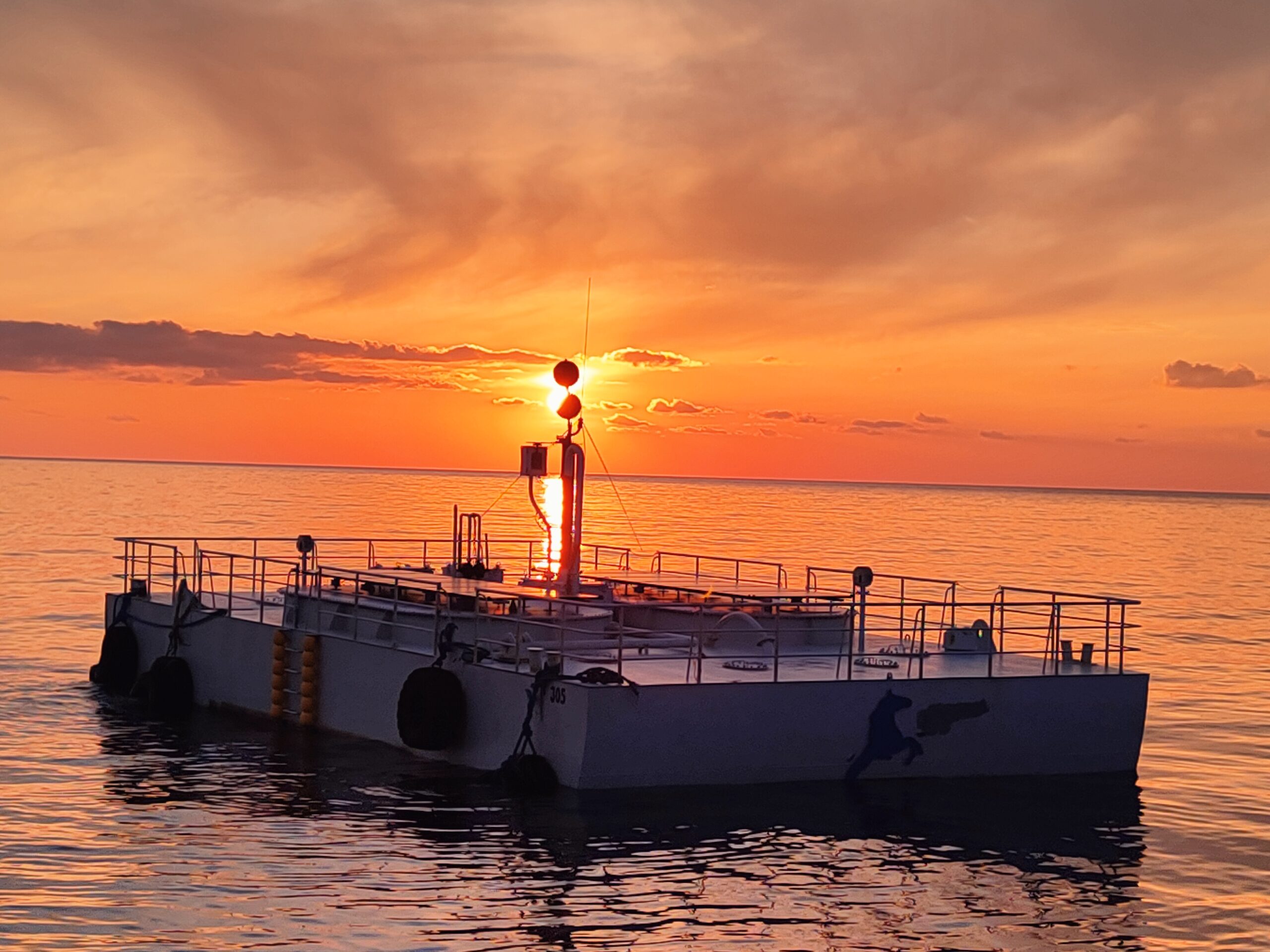
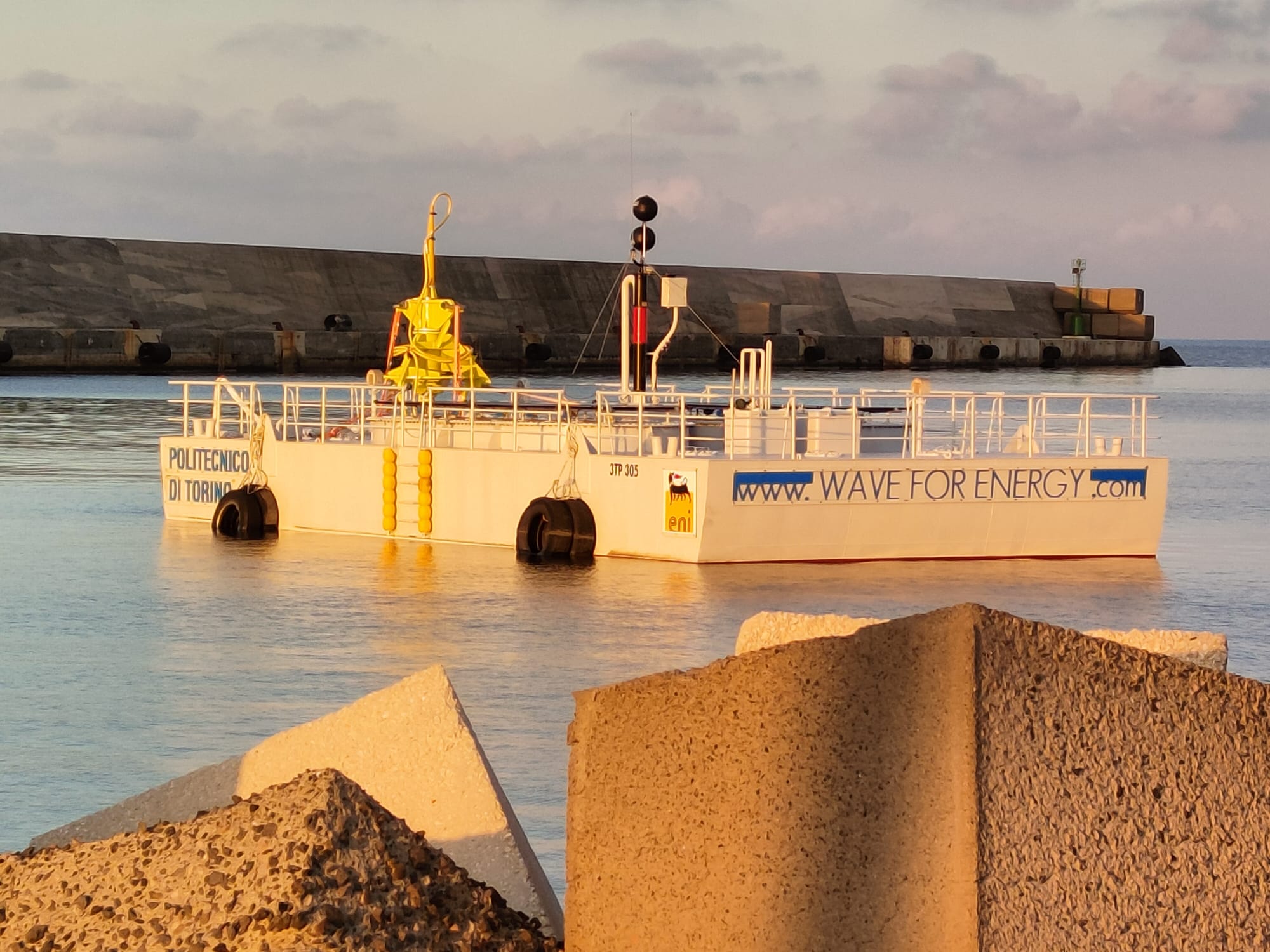
ISWEC’s inertial gyroscopic principle keeps moving parts inside a sealed hull, reducing corrosion and marine growth on bearings exposed in hinged or paddle devices. Slack moorings limit seabed intervention to anchor points rather than extensive fixed structures. Active control retunes the power take-off as wave periods shift, improving capture width relative to passive resonators tuned to a single frequency.
For point-absorber architectures such as WEPA, coupling wave-driven pumping with reverse-osmosis desalination targets water-stressed coastal parks where drought threatens agriculture and ecosystems—turning energy capture into a dual utility service.
Reliability and maintenance
Hardware startups in ocean energy face “big hardware” challenges: long lead times, marine logistics, and insurance requirements unfamiliar to pure software ventures. Modular subsystems, remote diagnostics, and conservative weather windows for crew transfer are operational necessities, not optional extras. Our Pantelleria and Ravenna campaigns emphasise documented O&M procedures insurers and utilities can audit.
Survivability strategies include storm-mode control that brakes gyroscopes, reducing loads when wave heights exceed operational envelopes. Post-storm inspections focus on mooring fatigue and connector integrity before returning to full power.
Grid and market fit
Island grids and offshore platforms tolerate higher levelised costs than continental wholesale markets—making them logical first markets. Hybrid microgrids combining wave, solar, storage, and diesel backup can retire fossil hours incrementally as renewable availability improves. Export cables to mainland networks remain capital intensive; projects must align with regional spatial plans and community acceptance.
European policy increasingly groups wave and tidal technologies with offshore wind under blue-economy strategies. EU institutions report emerging ocean energy capacity still below 3 MW in operation across Member States, but growing pipelines signal rising investor interest when revenue mechanisms stabilise.
Environmental considerations
Floating wave devices can present lower visual impact than offshore wind turbines when freeboard is kept minimal. Environmental assessments still address underwater noise, electromagnetic fields from cables, and temporary exclusion zones during installation. Partner institutions in Italian projects have monitored Posidonia meadows and marine fauna alongside device operation.
Economic path forward
Cost reduction depends on learning rates from serial deployment: standardised hull fabrication, shared mooring components, and optimised installation vessels. Public grants and early CfDs de-risk first farms; later units must compete on measured availability and maintenance cost. Wave for Energy targets grid parity in niche markets by pairing technology improvements with sites where alternative power is expensive.
Integration with national energy planning
Italian island territories feature in national debates on energy security and renewable quotas. Wave projects that share cables with existing landings reduce incremental infrastructure cost. Spatial planning must reserve sea areas early so fishing, tourism, and energy uses coexist under clear rules—avoiding conflicts that delay permits after hardware is built.
Distribution system operators benefit from forecastable wave output when scheduling maintenance on diesel assets; even partial predictability improves reserve sizing compared with relying solely on intermittent solar.
Complementarity with other renewables
Hybrid portfolios matter because no single renewable covers all hours. Wave energy’s smoother diurnal profile can reduce battery cycling when paired with solar on islands, while offshore wind—where permitted—may dominate winter production. System studies for Mediterranean microgrids increasingly treat wave as a forecastable baseload-like contributor rather than a curiosity.
Peer-reviewed Mediterranean assessments cite mean wave power between about 1 kW/m in the northern Adriatic and above 10 kW/m in parts of the western basin near Sardinia and Corsica—underscoring why site selection dominates economics as much as device efficiency.
Developers should therefore present integrated resource assessments, not isolated device curves, when engaging regulators. That framing aligns with how utilities evaluate reliability and reserve margins.
Conclusion
Wave energy is not yet ubiquitous, but it is no longer theoretical in the Mediterranean. Measured performance from ISWEC and related systems provides the evidence base policymakers and investors requested a decade ago. Continued transparency on production data will determine how quickly the resource moves from viable to routine.
Developers, utilities, and communities share responsibility for that transparency: publishing availability factors, unplanned downtime causes, and environmental monitoring summaries alongside megawatt announcements.
For coastal parks and protected areas, dual-use planning—energy, desalination, and ecological monitoring—can strengthen public support when benefits extend beyond abstract carbon accounting to water security and local employment.
Standardised performance reporting across Mediterranean pilot sites would help investors compare technologies on equal terms rather than relying on isolated press releases.
Sources
European Commission (DG MARE) — Marine renewable energy — EU Blue Economy Report 2025 (2025). Type: official EU publication.
European Commission — Offshore renewable energy (2024 overview). Type: official EU institution.
Frontiers in Energy Research — State of the Art and Perspectives of Wave Energy in the Mediterranean Sea: Backstage of ISWEC (2019). Type: peer-reviewed journal article.